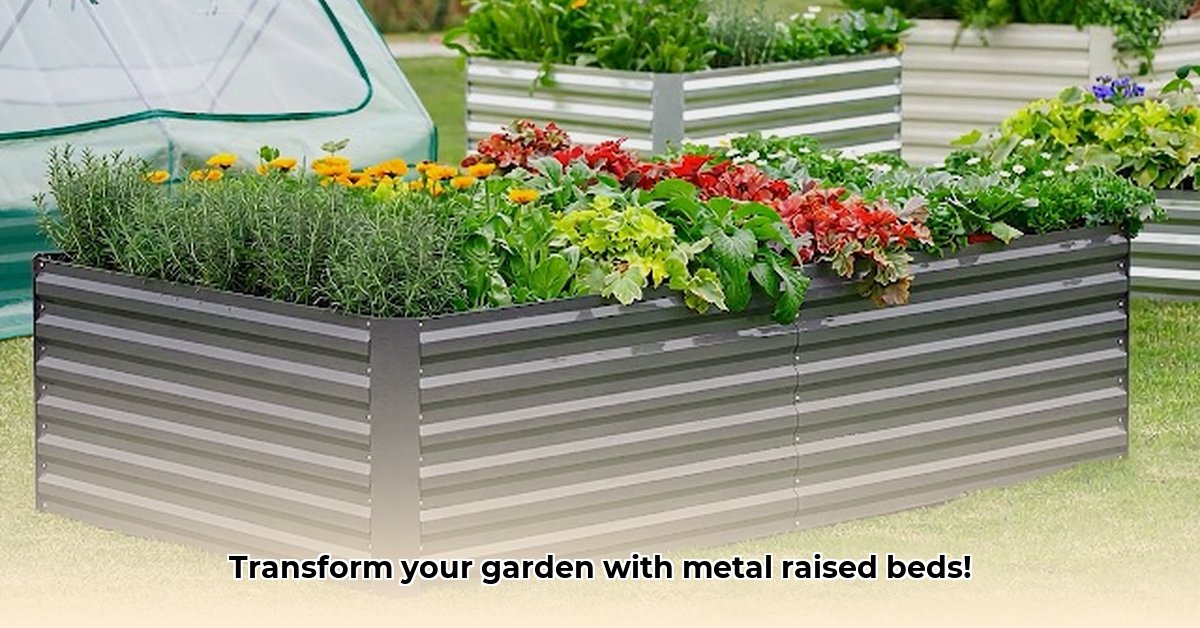
Ready to cultivate a thriving garden with less effort and a smaller environmental footprint? Metal raised garden beds from Tractor Supply offer a compelling solution, combining convenience with the potential for sustainable gardening. For more information on Tractor Supply's selection, check out their raised garden beds. This guide explores the advantages, environmental considerations, and step-by-step instructions to help you make informed choices and grow a bountiful harvest.
Why Choose Metal Raised Garden Beds?
Metal raised garden beds from Tractor Supply present several key advantages for the home gardener:
Superior Drainage: The well-drained soil promotes healthy root growth and minimizes the risk of root rot, a common problem in poorly draining soil. This leads to healthier, more vigorous plants. "Well-drained soil is crucial for plant success," says Dr. Emily Carter, Horticultural Scientist at the University of California, Davis. "It prevents waterlogging, which can suffocate roots."
Improved Water Retention: While offering excellent drainage, metal also helps retain moisture within the soil, reducing the frequency of watering and conserving water resources. "Efficient water management is key to sustainable gardening," adds Dr. Carter. "Metal raised beds assist in this by reducing evaporation."
Enhanced Accessibility: Raised beds make gardening easier and more enjoyable, especially for individuals with mobility limitations or back problems. No more bending over! This increased accessibility extends the gardening season and allows more people to participate in the joys of growing their own food.
(Image: A visually appealing photo of a Tractor Supply metal raised garden bed overflowing with healthy vegetables.)
Environmental Considerations: A Balanced Perspective
While metal raised beds offer numerous benefits, it's crucial to address their environmental impact:
Manufacturing Impact: The production of metal involves energy consumption and resource extraction, contributing to carbon emissions. However, the durability of these beds means they may require fewer replacements over time compared to wooden equivalents, potentially offsetting some of the initial environmental cost.
End-of-Life Management: Responsible recycling at the end of a bed's lifespan is paramount. "Proper disposal or recycling is essential to minimize the environmental impact of any product," explains Dr. David Miller, Environmental Engineer at Cornell University. "We need to prioritize sustainable end-of-life solutions for all materials."
Material Selection: The type of metal used significantly impacts the environmental footprint. Consider opting for beds constructed from recycled materials or those made from sustainable metals such as corten steel.
(Image: A comparison graphic highlighting the life cycle of different raised bed materials.)
Metal vs. Other Sustainable Options: A Comparison
Choosing the right material for your raised bed depends on your priorities. Here's a comparison of sustainable options:
| Material | Pros | Cons | Sustainability Considerations |
|---|---|---|---|
| Metal | Durable, long-lasting, excellent drainage, easy to clean | Higher initial cost, manufacturing environmental impact | Choose recycled materials or sustainable metals; recycle at end-of-life. |
| Wood | Renewable (sustainably sourced), aesthetically pleasing | Requires maintenance, susceptible to rot and insect damage, shorter lifespan | Prioritize sustainably sourced wood; use appropriate treatments and maintenance. |
| Plastic | Affordable, lightweight, easy to assemble | Less durable, potential for chemical leaching | Opt for recycled plastic; consider the potential for long-term degradation. |
Actionable Steps for Sustainable Gardening
Let's transform your gardening aspirations into reality with these practical steps:
Bed Selection: Tractor Supply offers a variety of sizes and styles. Choose one appropriate for your space and gardening goals. Consider modular designs for expansion.
Soil Preparation: Mix nutrient-rich topsoil, compost, and amendments based on a soil test. The success of your garden largely hinges on proper soil preparation.
Plant Selection: Choose plants suited to your climate and sunlight conditions. Native species often require less maintenance and are well-adapted to your region.
Efficient Irrigation: Use drip irrigation or soaker hoses to conserve water and deliver it directly to plant roots. Consider rainwater harvesting.
Ongoing Care: Weeding, fertilizing (using organic options if possible), and pest monitoring are essential for maintaining a healthy garden.
Responsible Disposal: At the end of their life, recycle your metal beds through local metal recycling facilities. Many facilities will gladly accept them for responsible processing.
Conclusion: Cultivating a Sustainable Harvest
Metal raised garden beds from Tractor Supply offer significant advantages for home gardeners, but conscious decision-making regarding their environmental impact is vital. By carefully considering the material selection, practicing sustainable gardening techniques, and responsibly managing disposal, you can enjoy the benefits of a thriving garden while minimizing your environmental footprint. Remember, choosing the best option involves balancing the short-term costs against the long-term sustainability of your gardening endeavor.